

Ask a group of elementary students to name something they are good at, and some hands will shoot up immediately. Other students may hesitate, repeat what a classmate said, or insist that they are not especially good at anything.
We know that does not mean those students lack strengths. It may simply mean that their talents have not yet been noticed, named, or given the opportunity to grow.
Too often, students feel that their strengths are limited to grades, athletic ability, or performance skills. You can open their minds to new ideas: listening carefully, noticing details, organizing materials, making others laugh, building things, asking thoughtful questions, solving disagreements, caring for animals, explaining ideas, or helping a group stay focused.
Helping students recognize these qualities can change how they see themselves and what they believe they can contribute. Here are ten ways educators can make strength discovery part of everyday learning.
1. Look for strengths in different settings
Students do not always reveal their strengths during traditional academic instruction. A child who rarely volunteers an answer may become a natural leader during a building challenge. Another student may struggle with independent work but excel at explaining directions to a classmate.
- Observe students in different settings: during group projects, transitions, recess, creative work, service activities, centers, and informal conversations.
- Ask colleagues in special areas what they notice, too. Art, music, physical education, library, technology, and afterschool programs may reveal abilities that are less visible in the homeroom.
The more contexts educators consider, the fuller their picture of each student becomes.
2. Broaden the meaning of “talent”
When children hear the word talent, they may think only of singing, drawing, sports, or playing an instrument. Those are valuable talents—but they are only the beginning.
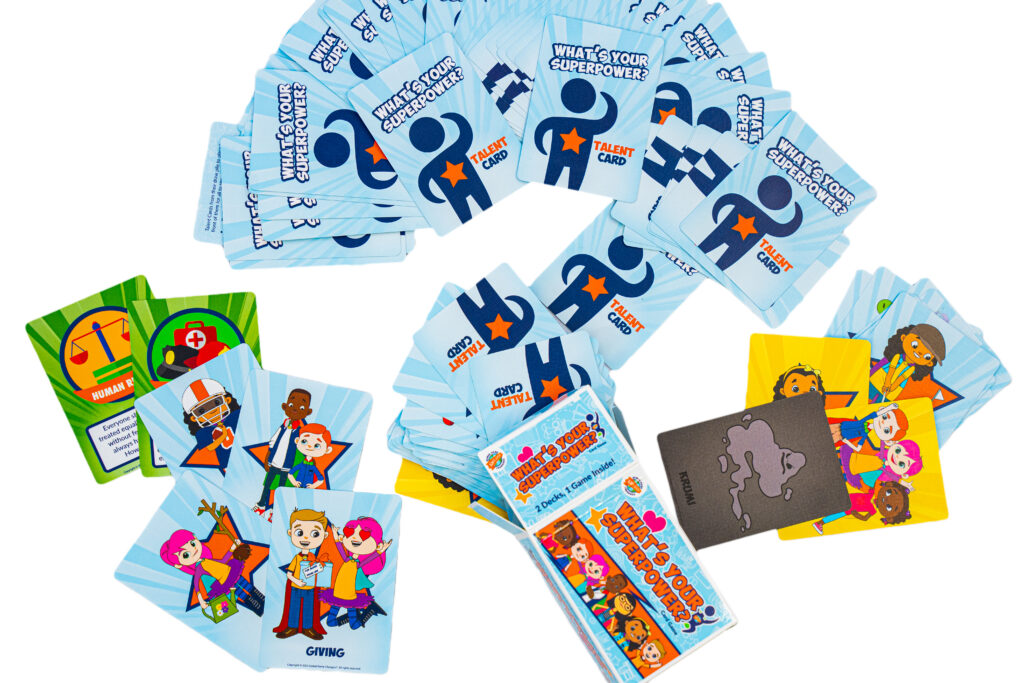
Help students recognize less visible strengths such as:
- Making plans
- Remembering details
- Including others
- Fixing things
- Remaining calm
- Generating ideas
- Teaching someone how to do something
- Caring for people or animals
- Asking useful questions
- Keeping a team organized
Students are not the only ones who need to keep an open mind; you do, too! Weird or unusual talents can be just as much fun to recognize.
When the definition of talent expands, more students can recognize themselves within it.
Global Game Changers “What’s Your Superpower?” card game includes examples of 126 different talents!
3. Ask questions that uncover clues
“What are you good at?” can feel like a high-pressure question, especially for a child who is unsure.
Try asking:
- What do you enjoy doing even when no one assigns it?
- What do friends or family members ask you to help with?
- What is something you have improved at?
- When have you felt proud of how you helped a group?
- What kinds of problems do you like to solve?
- What would you enjoy teaching someone else?
- When does time seem to pass quickly for you?
Students’ answers may reveal interests, emerging abilities, and qualities they have never thought to call talents.
4. Give students low-risk ways to try something new
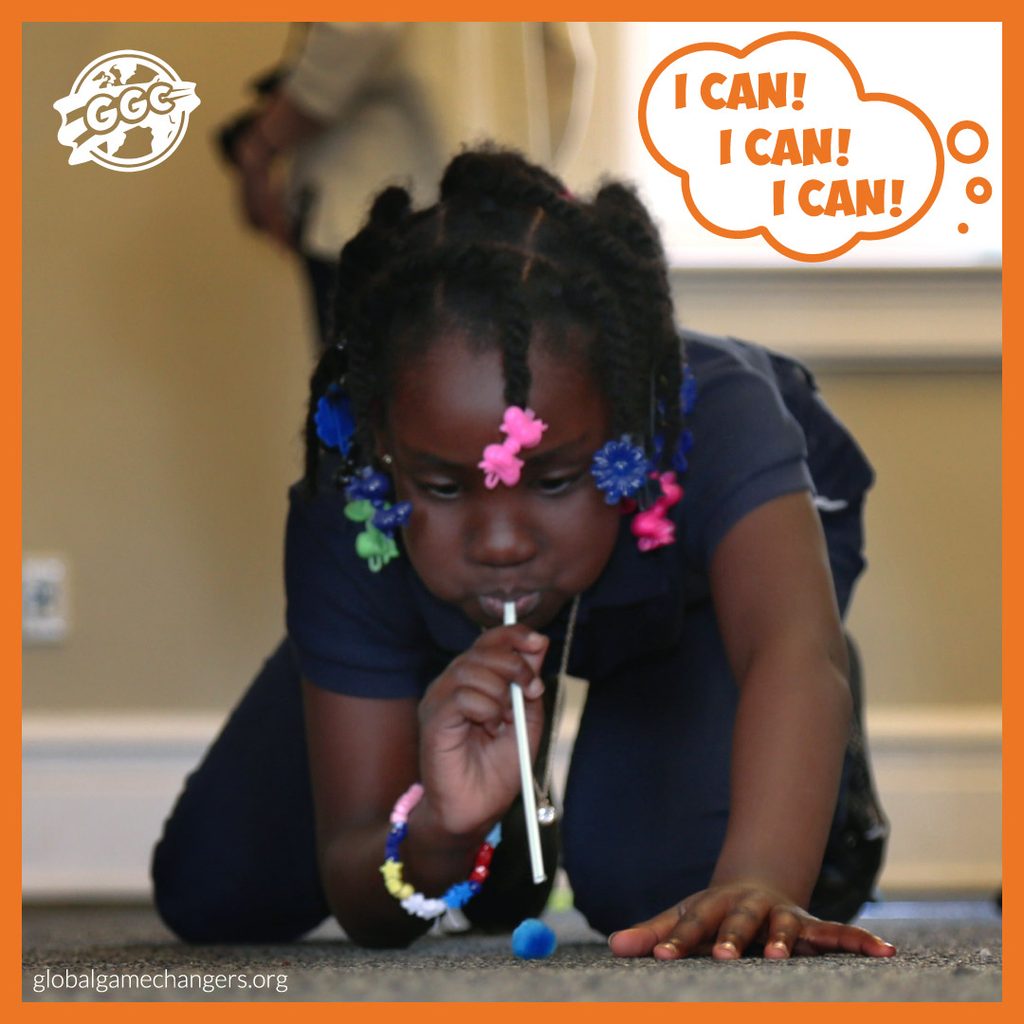
Children cannot discover strengths they have never had an opportunity to explore.
Create short, low-pressure experiences that invite students to experiment. Let them illustrate, build, research, present, organize, interview, perform, plan, teach, or create. A student should be able to try a role without feeling that one attempt will define whether they are “good” at it.
This is especially important for students who have already decided that certain roles are not for them — whether because they are certain about their talents already or can’t name a single one. Sometimes a new strength emerges because a child was invited to try before having time to say, “I can’t.”
5. Rotate roles instead of relying on volunteers
When educators ask for volunteers, the same confident students may repeatedly become presenters, team leaders, artists, or helpers. Other students have fewer opportunities to discover what they can do.
During collaborative work, rotate roles such as:
- Facilitator
- Recorder
- Materials manager
- Encourager
- Timekeeper
- Designer
- Researcher
- Presenter
- Problem-solver
- Reflector
Students may not enjoy or excel in every role, but rotation gives them useful information about themselves. It also helps the class understand that leadership and contribution can take many forms.
6. Notice the process, not only the finished product
A polished result may attract attention, but many strengths become visible during the process.
One student may generate the original idea. Another may persevere when the group gets stuck. Someone else may notice a missing step, resolve a disagreement, or make sure every voice is heard.
Name these contributions specifically:
- “You kept testing different solutions when the first one didn’t work.”
- “You noticed that someone had not had a chance to speak.”
- “Your organization helped the group finish.”
- “You asked a question that changed how the team approached the problem.”
Specific feedback helps students understand exactly what strength they demonstrated—and recognize when they use it again.
7. Let students spot strengths in one another
Classmates often notice qualities that adults miss. With clear guidelines, peer feedback can help students see themselves through someone else’s eyes.
Invite students to complete prompts such as:
- “You helped our team by…”
- “One strength I noticed was…”
- “I would ask you for help with…”
- “Our group was better because you…”
Keep the feedback connected to observable actions rather than popularity or vague praise. “You are nice” becomes more meaningful as, “You noticed I was confused and explained the directions without taking over.”
Peer strength-spotting also teaches students to value different kinds of contributions. Pair it with #5’s rotating roles to have students identify the space in which a peer excelled.
Keep the feedback connected to observable actions rather than popularity or vague praise.
8. Introduce students to many kinds of role models
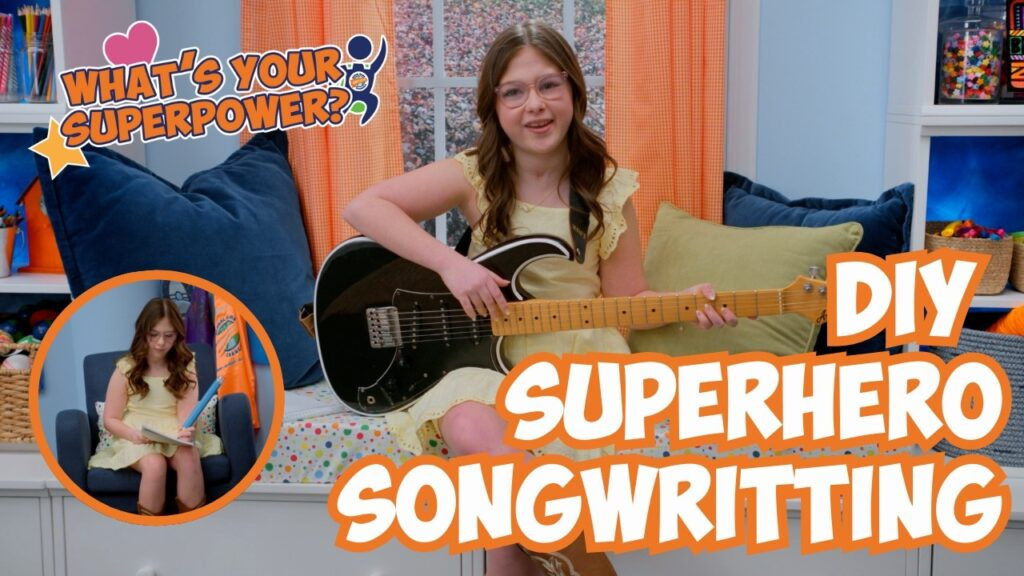
Children need examples that expand their idea of what a talented or successful person looks like.
Invite community guests, family members, older students, and local partners to talk about what they do well—and how they discovered it. Include people with different personalities, interests, careers, backgrounds, and ways of contributing.
Stories of young changemakers can be especially powerful. GGC’s What’s Your Superpower?® series introduces students to real young people who use talents such as music, art, entrepreneurship, athletics, advocacy, and creativity to address causes they care about.
The goal is not for students to copy someone else’s path. It is to help them imagine more possibilities for their own.
9. Connect strengths to something that matters
Identifying a talent is valuable. Discovering that the talent can help another person makes it meaningful.
Invite students to consider:
- Who could benefit from this strength?
- What problem could it help solve?
- What cause do I care about?
- How could I use this talent in a service project?
- Whose strengths could I combine with mine?
This is the idea behind the GGC Superpower Equation:
MY TALENT + MY HEART = MY SUPERPOWER!®
Almost any talent can be connected to almost any cause. That realization helps students see their abilities as tools for meaningful action.
10. Revisit strengths throughout the year
Strength discovery should not be a one-time activity. Children grow, interests change, and new experiences reveal new abilities.
Consider maintaining a simple strengths record for each student. Help students do the same with questions like:
- What strength have I used most often?
- What new strength have I discovered?
- What have I worked hard to improve?
- Which strength would I like to develop next?
- How have my strengths helped someone else?
This approach communicates that strengths are not fixed labels. They can be discovered, practiced, combined, and developed.
Every student has something to contribute
Helping students identify their strengths is not about convincing every child that they are the best at something. It is about helping them recognize that they bring value to a classroom, a team, and a community.
Once students know they have something to contribute, the next question becomes even more powerful:
How will you use it to IGNITE GOOD!®?